Poison Oak Removal in Harford County, MD
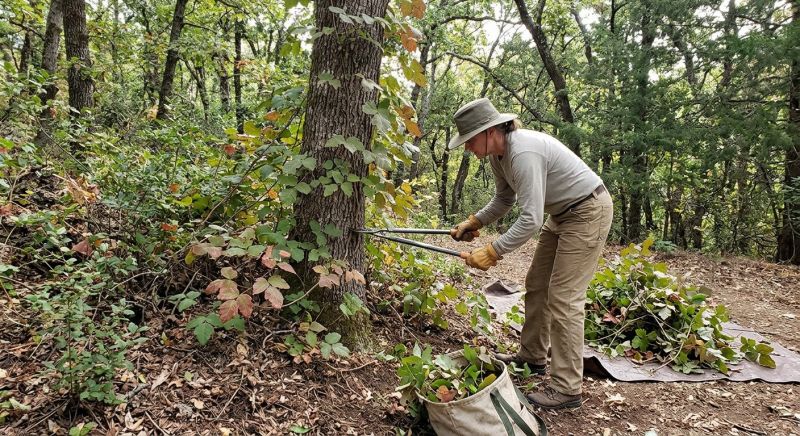
Poison oak removal services focus on safely eliminating this invasive plant from residential properties. These services typically cover projects such as clearing overgrown areas, trimming shrubs, and removing poison oak from yards, gardens, and landscaped spaces. Property owners often seek this service to reduce health risks associated with skin irritation and allergic reactions caused by contact with the plant, especially in outdoor areas frequented by children and pets. Understanding the extent of the infestation, the location of the poison oak, and any nearby plants or structures can help determine the most effective removal approach.
Before requesting poison oak removal, property owners should consider the size and density of the affected areas, as well as any environmental sensitivities or regulations in the region. Clarifying whether the removal includes complete eradication or partial trimming, and understanding the disposal process for the removed plants, can ensure expectations are aligned. Proper identification of poison oak is essential to avoid mistakenly removing desirable plants, and knowing about any nearby utility lines or landscape features can assist in planning a safe and efficient removal process.
Many property owners in Harford County, MD look into Poison Oak Removal for repairs, replacements, upgrades, and appearance-related improvements.

Poison Oak Identification
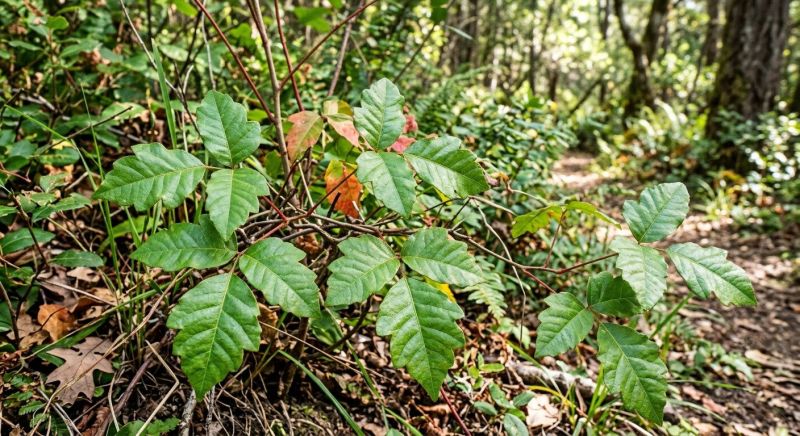
Recognizing poison oak is essential to prevent skin irritation and health issues.

Safe Removal Methods
Proper techniques ensure effective poison oak removal while minimizing risk to property and residents.
Property Maintenance Tips
Regular clearing helps keep landscapes safe and free from poison oak growth in harford county, md.
Poison Oak Removal in Harford County, MD

Poison oak removal services focus on safely eliminating this invasive plant from residential properties. These services typically cover projects such as clearing overgrown areas, trimming shrubs, and removing poison oak from yards, gardens, and landscaped spaces. Property owners often seek this service to reduce health risks associated with skin irritation and allergic reactions caused by contact with the plant, especially in outdoor areas frequented by children and pets. Understanding the extent of the infestation, the location of the poison oak, and any nearby plants or structures can help determine the most effective removal approach.
Before requesting poison oak removal, property owners should consider the size and density of the affected areas, as well as any environmental sensitivities or regulations in the region. Clarifying whether the removal includes complete eradication or partial trimming, and understanding the disposal process for the removed plants, can ensure expectations are aligned. Proper identification of poison oak is essential to avoid mistakenly removing desirable plants, and knowing about any nearby utility lines or landscape features can assist in planning a safe and efficient removal process.
Many property owners in Harford County, MD look into Poison Oak Removal for repairs, replacements, upgrades, and appearance-related improvements.
Common Poison Oak Removal Jobs
Poison Oak Removal - clearing overgrown areas to eliminate poison oak plants safely.
Yard Clearing - removing poison oak from lawns, shrubs, and garden beds.
Property Maintenance - ongoing removal to prevent poison oak from spreading.
Brush and Thicket Removal - tackling dense growth that may contain poison oak.
Trail and Pathway Clearing - ensuring safe access by removing poison oak along walkways.
Landscaping Cleanup - integrating poison oak removal into regular yard and garden maintenance.
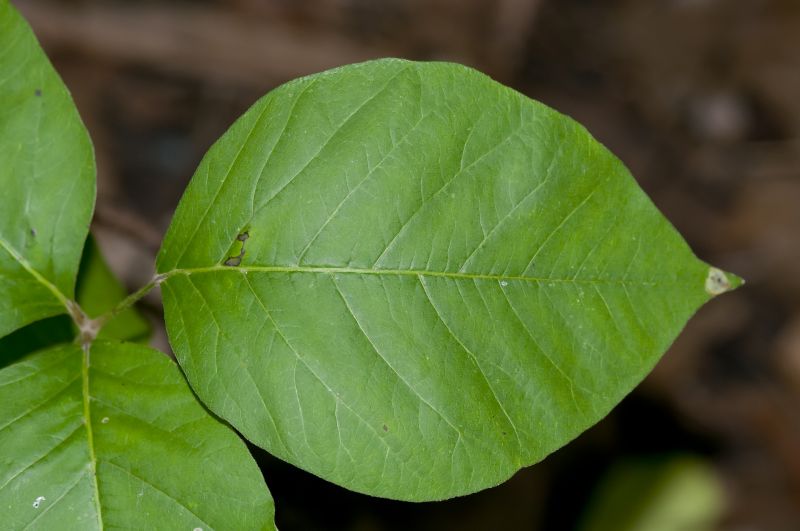
Poison Oak Removal Questions
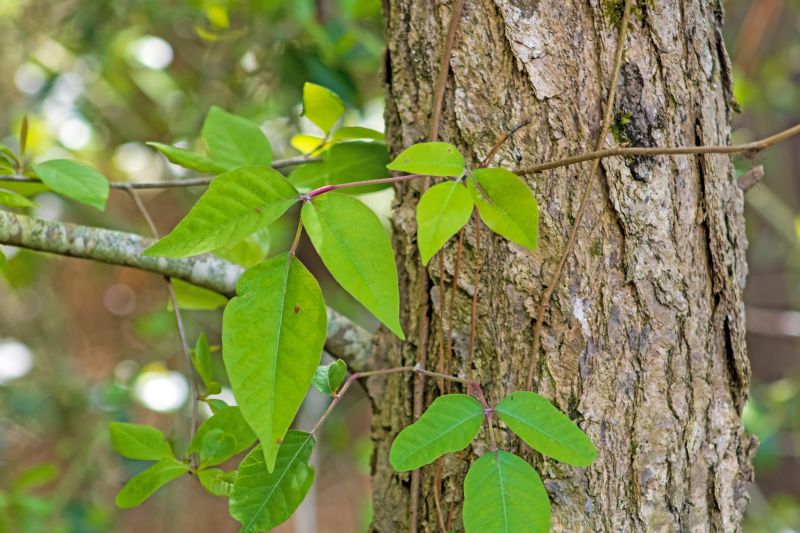
What are signs of Poison Oak on a property? Poison Oak typically appears as clusters of green or reddish leaves with a characteristic three-leaf pattern, often growing as shrubs or vines. It may have a glossy texture and can develop into taller plants or ground cover. Recognizing these features helps identify areas needing removal.
Why should Poison Oak be removed promptly? Poison Oak causes skin irritation upon contact, which can lead to itching, redness, and blisters. Removing it reduces the risk of accidental exposure, especially in areas where people and pets frequently pass through.
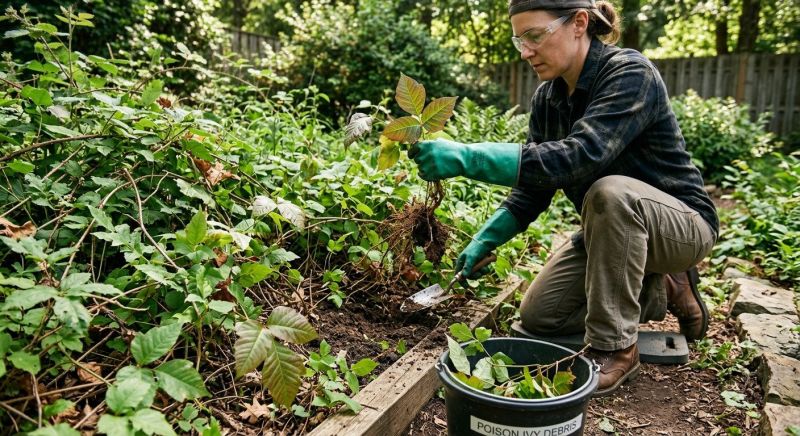
What methods are used for Poison Oak removal? Removal often involves careful cutting, digging, or herbicide application to eliminate the plants completely. Proper disposal is important to prevent regrowth or spread to other areas.
Is professional Poison Oak removal necessary? Yes, professional removal ensures safe and effective elimination, especially in dense or hard-to-reach areas where plant identification and proper disposal are critical.
Request Poison Oak Removal in Harford County, MD
Use the quote form on this page to share the basics of your project and request more information for the type of work you need.